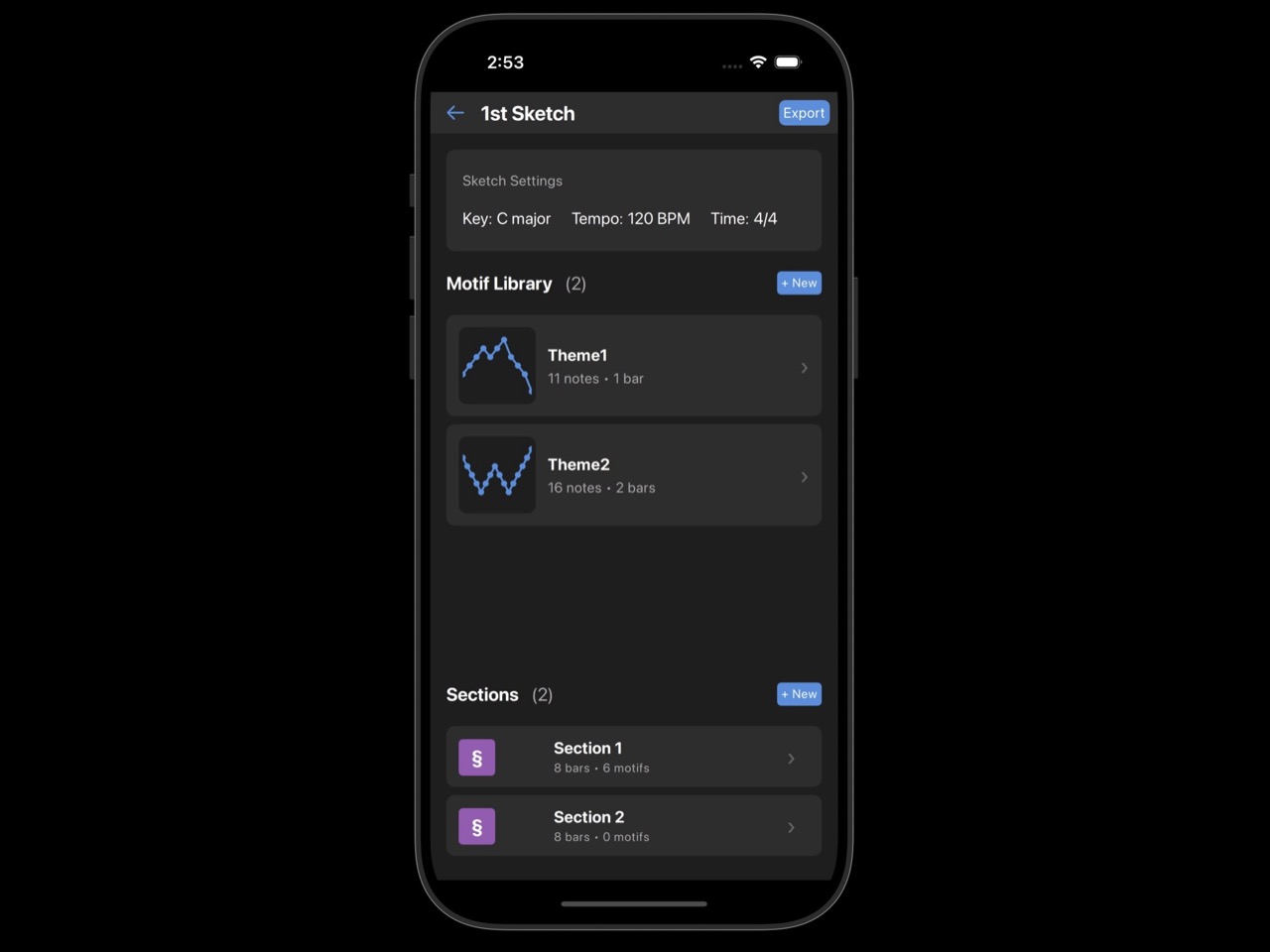
Legible reasoning
Make the agent’s reasoning clear without making the interaction feel mechanical or over-explained.
A media and agent system designed to make real-time sports intelligence feel immediate, expressive, and human.
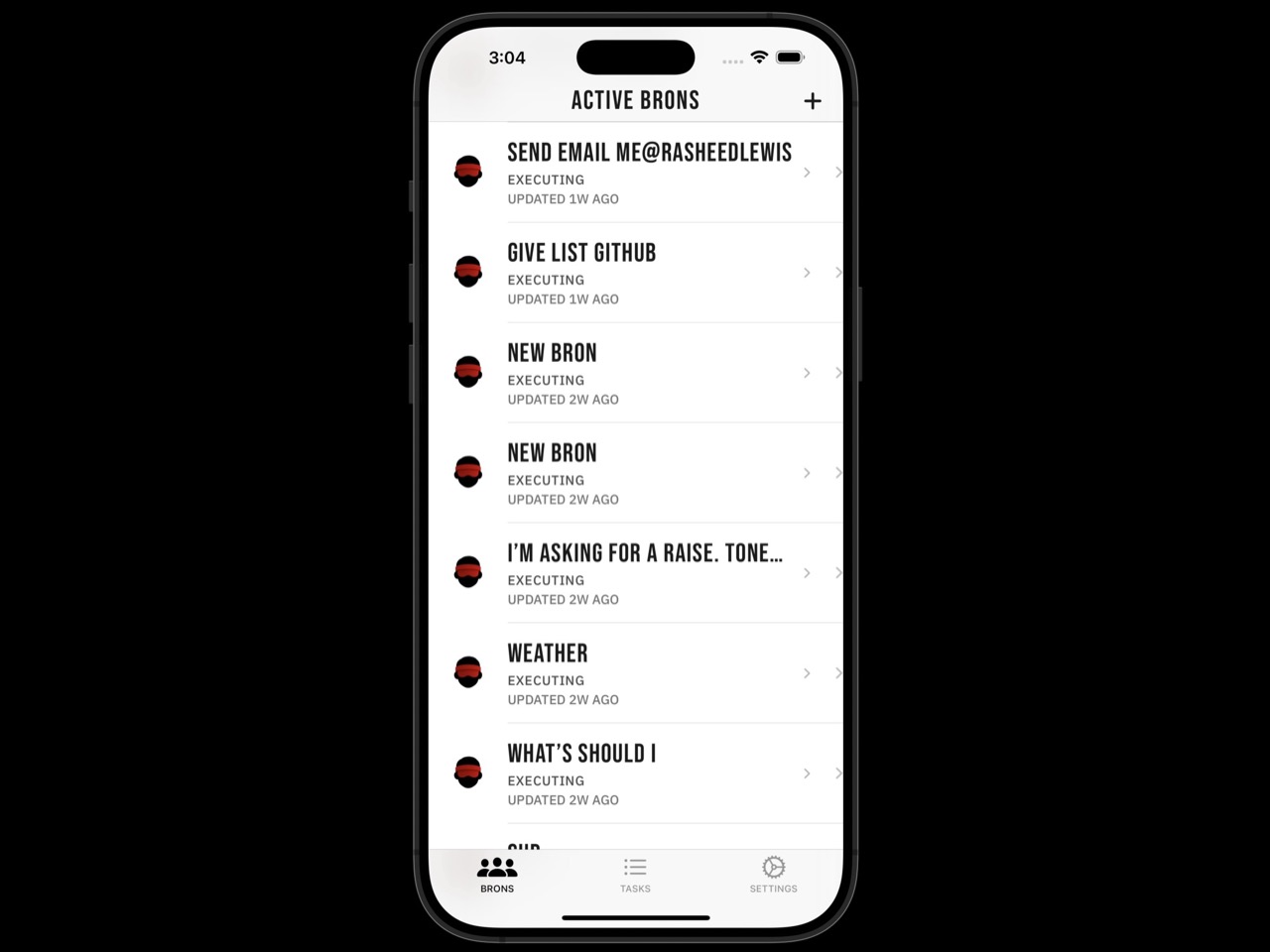
Bron began as an exploration of how AI agents could operate inside the live, emotionally charged world of sports. Existing tools felt either overly technical or detached from how fans actually experience games.
The opportunity was to make complex reasoning legible without flattening the energy, pace, and personality of the domain.
Make the agent’s reasoning clear without making the interaction feel mechanical or over-explained.
Blend live data, pacing, visual emphasis, and expressive cues into one coherent reading experience.
Support everything from an immediate reaction to a deep analytical breakdown without changing the interface metaphor.
The interface did not explain the system from the outside. It embodied the architecture through rhythm, hierarchy, and tone.
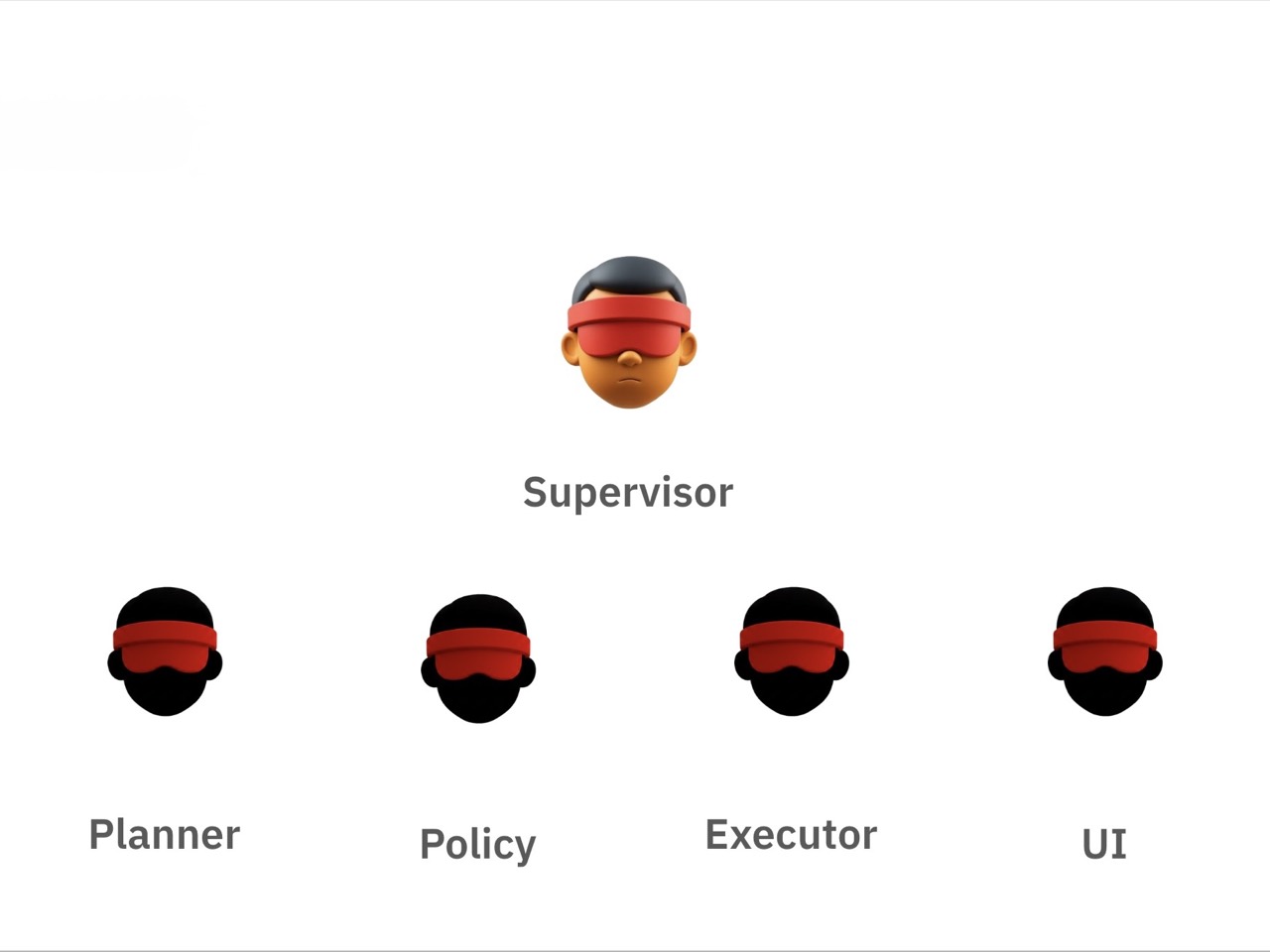
A multi-agent architecture separated different forms of reasoning without exposing operational complexity.
The interaction prioritized timing, confidence, and pacing over raw verbosity.
The visual system borrowed from sports media rather than conventional chat products.
A dominant agent presence created a clearer relationship between the intelligence and the user.
Visual rhythm communicated certainty, timing, and emphasis before additional explanation was needed.
Sentiment and personality became first-class product concerns rather than decorative copy choices.
The intelligence could evolve without requiring users to relearn the product’s fundamental interaction model.
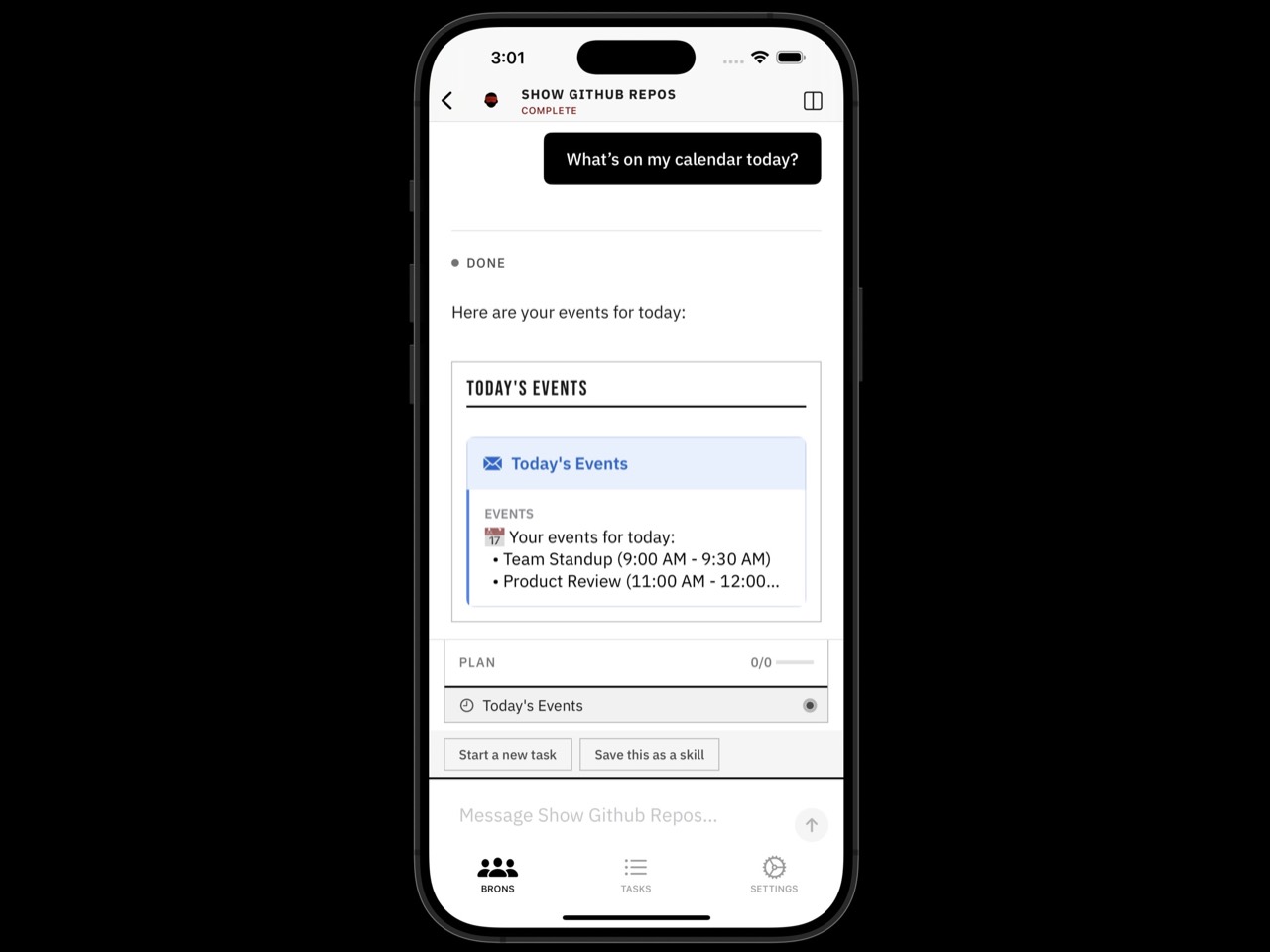
Bron demonstrated that strong visual structure can make agent intelligence feel more trustworthy. Broadcast conventions, expressive pacing, and a durable design system turned the product into more than a tool: a new kind of sports media surface.