The question is not whether AI made the song. The question is whether anyone meant it.
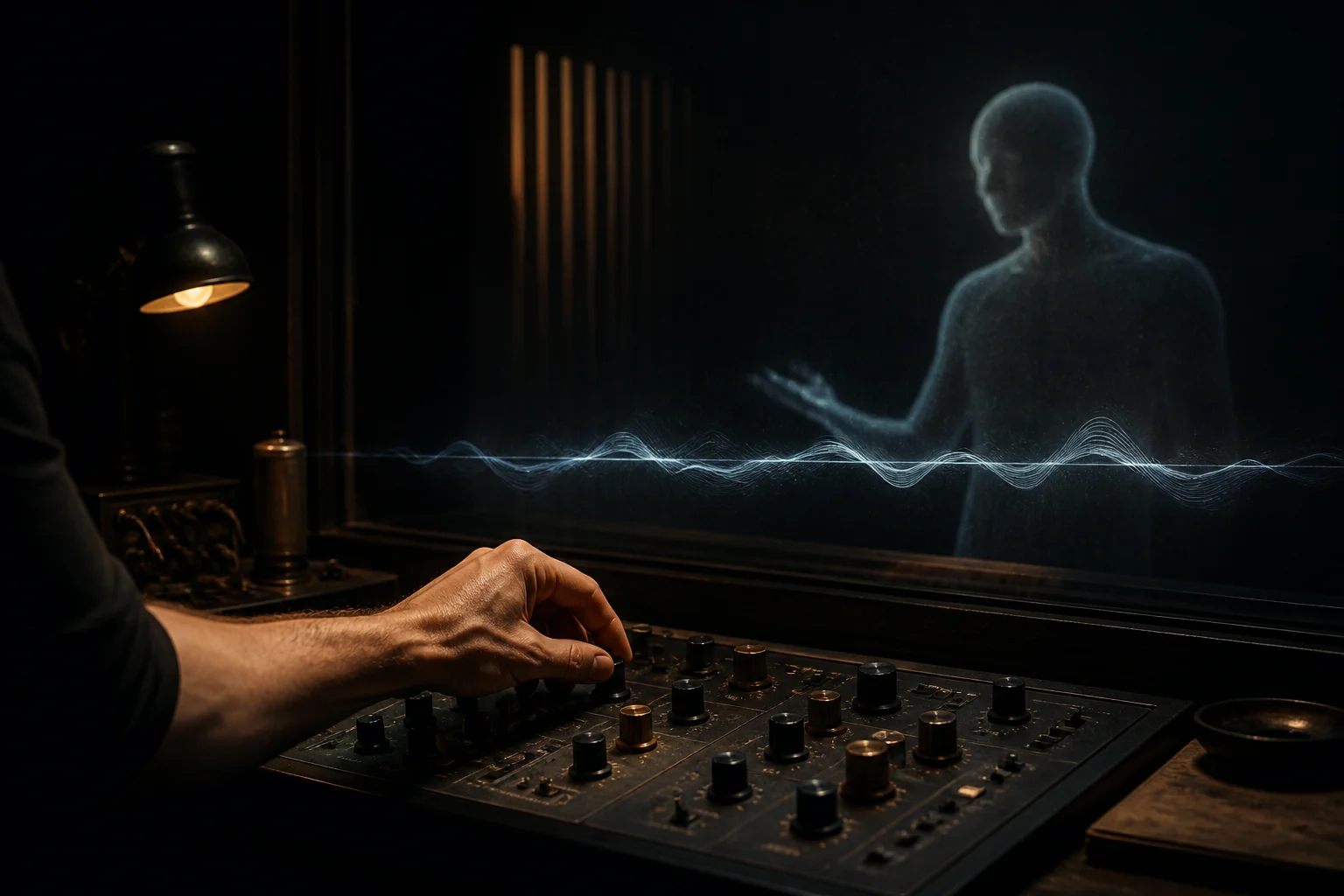
Figure 1 Authorship is not manual purity. It is judgment—and the willingness to stand behind the result.
Spotify has decided that some artists are not artists at all—or, at least, not people.
Beginning in September 2026, the streaming service plans to place an “AI Persona” label on profiles representing synthetic performers. Spotify says these profiles will no longer appear in its editorial or personalized recommendations unless a listener has already chosen to follow them. The company will distinguish between a fictional identity generated by artificial intelligence and a human musician who happens to use AI in the creative process.1
That distinction arrives at the right moment. AI-generated music is no longer a speculative concern. It is entering playlists, recording sessions, royalty pools and copyright lawsuits. Synthetic singers such as Velvet Sundown and Sienna Rose have attracted substantial audiences while raising questions about whether the people presented in their artist images and biographies ever existed. At the same time, established musicians are using generative AI as one more production tool.
The latter became a public controversy when Doja Cat criticized Tyga for using AI-generated sounds on his album $tarface. Tyga responded that he used AI to create 1980s-style synths and guitars, but wrote his lyrics and performed his own vocals. He compared the technology to Auto-Tune: a tool that can alter how music is made without necessarily eliminating the musician.3
Meanwhile, the ownership dispute beneath AI music continues to grow. On August 17, independent publisher Round Hill Music filed copyright lawsuits against Suno and Anthropic, alleging that protected song lyrics and compositions were used without authorization to train their generative AI systems. Round Hill suggested that its claims could eventually cover more than 10,000 works and exceed $1 billion in damages.2
These events are usually folded into one question: Is AI music real art?
That question is too crude to be useful. “AI music” now describes several morally and artistically different activities: a singer experimenting with a generated instrumental texture, a songwriter using Suno to hear a demo, a company inventing a photorealistic performer, and an automated operation uploading thousands of tracks to capture streaming revenue. Treating all four as the same phenomenon prevents us from identifying what is actually at stake.
01 / The Artist
The artist: the person who stands behind the work
An artist is not simply the person who physically produces every part of an artifact.
No serious account of music has ever required that. A singer may rely on songwriters, session musicians, engineers and producers. A film director does not operate every camera or build every set. Hip-hop developed through turntables, drum machines and samples. Recorded music itself depends upon machines that capture, modify and reproduce sound.
Authorship cannot therefore mean manual purity. It is better understood as a sustained act of judgment.
Why this melody rather than another? Why should the bridge arrive here? Why does this singer need to communicate this idea now? What tradition does the work enter, and what does it add? What is the artist willing to affirm by placing a name on it?
To be an artist is to make such decisions and accept responsibility for their result. The artist says, implicitly, “I stand behind this.” That statement does not guarantee that the work is good, original or sincere. It identifies the human being to whom its choices can be attributed.
This is why intention matters but cannot be reduced to a private feeling. A person who types “make a hit R&B song” and uploads the first output may sincerely want a hit. That desire alone does not constitute meaningful authorship. Artistic intention becomes visible through selection, revision, discipline, context and the willingness to answer for the finished form.
The artist does not merely cause the work to exist. The artist means it.
02 / The Instrument
The instrument: when generative AI extends human agency
An instrument enlarges the range of what a person can perceive, express or accomplish. Under that definition, generative AI can function as an instrument.
A songwriter who cannot yet orchestrate may use an AI music generator to test an arrangement. A producer may generate a texture, isolate a stem or explore harmonic variations. An independent singer may use Suno to move a composition beyond the piano-and-voice stage before hiring musicians to rebuild it. A disabled creator may use generative technology to cross a technical barrier that previously prevented an idea from taking form.
In each case, the machine participates in production, but the human being remains the source of purpose and final judgment.
This does not make every use ethically neutral. An instrument can be built from exploited labor or stolen material. The copyright lawsuits against Suno, Anthropic and other AI companies concern the legitimacy of the training process, not merely the attractiveness of the outputs. A musician can use a powerful tool without knowing whether the people whose work made that tool possible were credited or compensated.
But that is precisely why “AI-assisted” and “AI-generated” should not end the discussion. We need to ask at least three separate questions:
01Who supplied the creative intention?
02Who exercised meaningful control over the final work?
03How was the system that produced the material trained?
Tyga’s defense of his AI-assisted album addresses the first two questions: he says that he wrote and performed the music while using AI for specific instrumental sounds. It does not, by itself, answer the third. Doja Cat’s criticism may reflect a legitimate concern about artistic labor, but condemning every AI-generated sound leaves no vocabulary for distinguishing assistance from substitution.
Calling AI “just a tool” is therefore incomplete. A tool does not absolve its user from responsibility, and tools have histories. Yet rejecting a work solely because an algorithm appeared somewhere in its production mistakes technique for authorship.
The relevant question is not whether the tool contributed. It is whether the human being continued to judge.
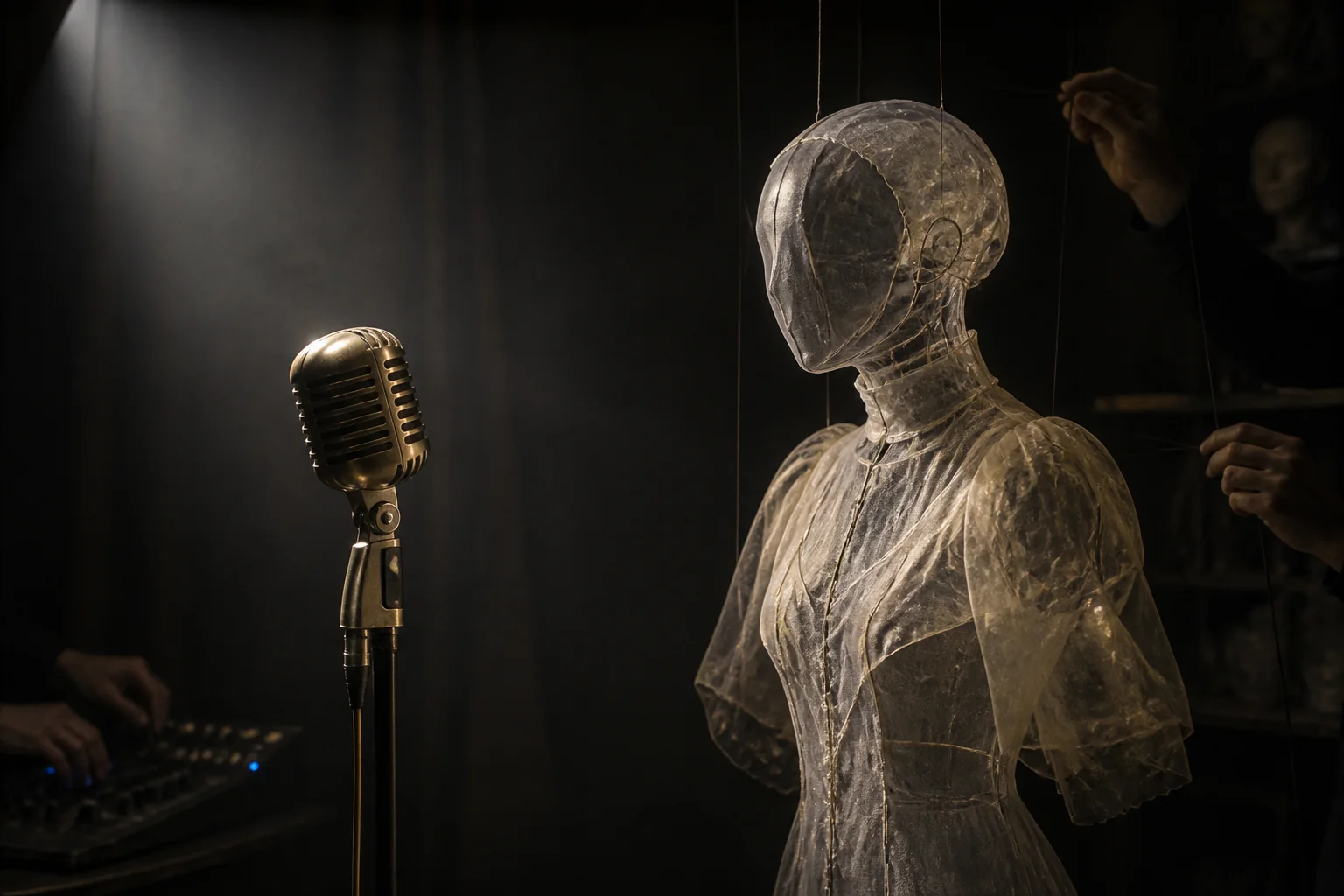
Figure 2 A persona can reproduce the signs of human expression while obscuring the people who made its decisions.03 / The Impostor
The impostor: when simulation borrows the authority of a person
The AI Persona is different.
It does not merely generate sound. It generates the appearance of someone to whom the sound can be attributed: a face, a name, a biography, a genre identity and sometimes an implied history of longing, struggle or cultural belonging.
Listeners never receive music as pure sonic data. We interpret a song through the person we believe is singing it. A love song changes when we know something about the singer’s life. A protest song draws authority from the performer’s relationship to the conflict. R&B, gospel, blues and hip-hop carry histories that cannot be separated completely from the communities that formed them.
A synthetic artist can imitate the audible signs of those traditions. It can also wear a marketable version of the people who created them.
This is where an AI artist becomes an impostor: not because fiction is inherently deceptive, but because the construction enters a social category built around real personhood while hiding the absence of a person. Fictional characters are not new, and neither are virtual bands. The ethical difference is whether audiences are invited into an acknowledged fiction or encouraged to mistake simulation for testimony.
An artificial singer can say “I” and address the listener as “you.” It can simulate vulnerability and receive genuine affection in return. But it cannot accept responsibility for the relationship. Somewhere behind it are developers, rights holders, marketers or anonymous operators who selected the voice and identity. When those decision-makers disappear behind a fabricated performer, accountability disappears with them.
Spotify’s AI Persona label responds to that deception. The platform is effectively saying that listeners deserve to know whether an artist profile represents a human being. More significantly, Spotify is declining to recommend synthetic performers by default.
That is not merely a transparency policy. It is an act of cultural curation.
04 / The Platform
Streaming platforms are not neutral containers
Critics may argue that Spotify should label AI-generated artists and let listeners decide. But recommendation systems have never merely reflected public taste. They help construct it.
A playlist placement produces attention. Repetition creates familiarity. Familiarity becomes legitimacy. At scale, algorithmic recommendations determine which voices appear to belong to the present and which disappear from cultural memory.
The rise of automated music therefore creates a problem larger than individual consumer choice. Generative systems can produce songs at a speed no human artist can match. When that abundance enters a finite system of listener attention, playlist space and streaming royalties, it behaves less like creative freedom and more like cultural pollution.
One synthetic song is not the crisis. The crisis is an economic system capable of manufacturing millions of plausible songs that nobody needed to mean.
This abundance may also change the music itself. A recent computational study of generative music systems found different forms of homogenization in outputs from Suno and Google’s Lyria. According to the researchers, Suno tended to blur acoustic distinctions between genres, while Lyria reduced variation within genres. The findings do not settle whether AI music can be beautiful. They raise a more consequential question: What happens when living traditions become statistical presets optimized for endless reproduction?4
A genre is more than a bundle of sonic traits. R&B is not merely extended chords, melisma, programmed drums and romantic lyrics. It contains Black church music, blues, migration, radio, nightlife, courtship and decades of technological experimentation. An algorithm may model the audible residue of that history without participating in the human relationships that gave it meaning.
Platforms cannot pretend that placing such material beside human work is a neutral act. Distribution is judgment. Ranking is judgment. Recommendation is judgment. Spotify’s policy recognizes that the public deserves not only disclosure, but some defense of the conditions under which human culture remains possible.
05 / The Question
The question AI music forces us to answer
Generative AI has not made human authorship obsolete. It has made authorship easier to counterfeit.
That may ultimately clarify what an artist is.
The artist is the person who encounters reality, gives that encounter form and accepts responsibility for the result. The instrument extends that person’s capacity. The impostor reproduces the signs of human expression while obscuring where intention and responsibility actually reside.
This distinction will not resolve every dispute. A heavily edited human performance may contain less genuine judgment than a carefully directed AI-assisted composition. A technically handmade song may be cynical and empty. A generated demo may carry the seed of something deeply personal. Human production is not automatically meaningful, and machine assistance is not automatically meaningless.
The opposite of art is not technology. It is indifference.
As AI-generated music becomes more convincing, the public will need better questions than “Was AI used?” We should ask who meant the work, who shaped it, who benefits from it, whose history it draws upon and who is willing to stand behind it.
Spotify’s AI Persona label is an imperfect but important beginning. It identifies the impostor. The greater task belongs to artists, listeners and cultural institutions: deciding which forms of creation deserve not only permission to exist, but the privilege of our attention.
Continue the conversation
Make technology answer to intention.
If emerging technology is changing the story your organization needs to tell, we can help turn the tension into a clear position and a durable system.